
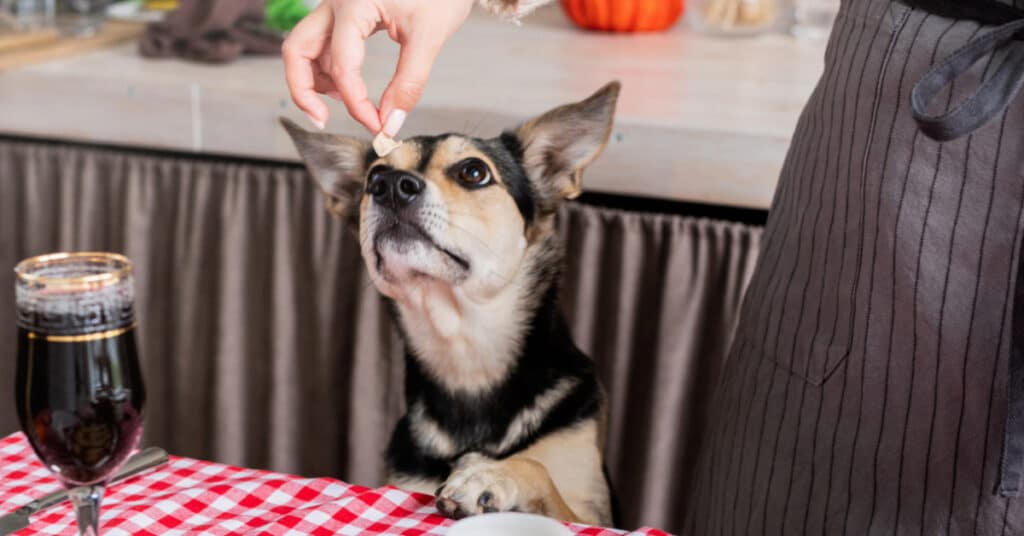
The smell of roasted turkey fills the kitchen, and before long, a familiar face appears at your feet — hopeful, patient, and waiting for a bite. It’s a moment many pet owners know well, especially around the holidays. So, can dogs eat turkey? Yes, dogs can eat turkey in certain forms, but how it’s prepared makes all the difference. Plain, fully cooked turkey can be a safe and enjoyable treat, while seasoned, fatty, or bone-in portions can quickly create problems. At Arrowhead Animal Hospital in Westminster, CO, we commonly talk with pet owners about safe table foods, and turkey is one of the most common questions we hear.
Can Dogs Eat Turkey?
When pet owners ask, “can dogs eat turkey safely,” the answer depends on the type of turkey you’re offering. Turkey itself is not toxic to dogs, and in fact, it’s a lean protein often found in commercial dog foods. It provides essential nutrients like protein, vitamins B6 and B12, niacin, phosphorus, and selenium, all of which support muscle development and overall health. However, the way turkey is typically prepared for people, especially during holidays, can introduce ingredients that don’t agree with a dog’s digestive system.
Seasonings such as garlic, onion, salt, and butter can irritate your dog’s stomach or lead to more serious concerns. Rich, fatty cuts of turkey skin can contribute to digestive upset and may even trigger conditions like pancreatitis in some dogs. While a small piece of plain turkey may seem harmless, repeated exposure to table scraps can also lead to unwanted weight gain or picky eating habits over time.
If you’re wondering whether to avoid turkey altogether, it helps to think of turkey as an occasional treat rather than a regular part of your dog’s diet. A small, unseasoned portion can be a safe addition, but it should never replace a balanced, veterinarian-recommended diet. If you have questions about your dog’s nutrition or want guidance tailored to your pet, our team at Arrowhead Animal Hospital is always here to help. Call (303) 469-1616 or book an appointment online.
How to Safely Feed Your Dog Turkey
Serving turkey to your dog doesn’t have to be complicated, but it does require a little extra attention. The goal is to keep it simple, clean, and free of ingredients that could cause digestive upset. If you’re wondering how to feed turkey to dogs safely, focusing on preparation and portion size is key.
What Makes Turkey Safe for Dogs
When prepared correctly, turkey can be a healthy, protein-rich treat. The safest option is plain, white meat turkey that has been fully cooked without added oils, spices, or sauces. Removing the skin and trimming excess fat helps reduce the risk of stomach upset and keeps the treat easier to digest. Small, bite-sized portions are ideal, especially if your dog is trying turkey for the first time.
Here are a few guidelines to keep in mind:
- Choose plain, fully cooked turkey with no seasoning
- Remove skin and visible fat before serving
- Cut turkey into small, manageable pieces
- Offer turkey in moderation as an occasional treat
- Monitor your dog after introducing any new food
Even when turkey is prepared properly, every dog responds differently to new foods. Some may tolerate it well, while others may experience mild digestive changes. Keeping portions small and infrequent helps reduce the chance of issues while still allowing your dog to enjoy a special treat.
Turkey to Avoid Giving Your Dog
Not all turkey is created equal, especially when it comes to sharing with pets. Many of the ingredients that make turkey flavorful for people can be problematic for dogs. If you’ve ever wondered what kind of turkey is bad for dogs, the answer usually comes down to added ingredients and preparation methods.
Avoid feeding your dog:
- Turkey with garlic, onion, or heavy seasoning
- Turkey skin, which is high in fat
- Fried or heavily buttered turkey
- Processed turkey (like deli meat), which often contains sodium and preservatives
- Turkey mixed with gravy or sauces
These types of turkey can lead to digestive upset, excessive thirst, or more serious health concerns. Processed meats, in particular, often contain high levels of sodium and additives that aren’t suitable for dogs. Sticking with simple, unseasoned turkey helps you avoid these risks while still offering a safe treat.
Can Dogs Eat Turkey Bones?
The question “can dogs eat turkey bones” comes up frequently, especially after large meals when leftovers are abundant. While it may seem natural to offer a bone as a treat, turkey bones can pose serious risks to dogs, particularly once they’ve been cooked. Cooking changes the structure of bones, making them more brittle and likely to splinter.
Why Turkey Bones Are Dangerous
Cooked turkey bones can break into sharp fragments that may cause injury anywhere along your dog’s digestive tract. These fragments can become lodged in the mouth, throat, or intestines, leading to discomfort or more serious complications. In some cases, bones can also create blockages that require veterinary attention.
Here are a few of the potential risks:
- Splintering that can injure the mouth or throat
- Choking hazards, especially with smaller bones
- Internal blockages in the digestive tract
- Irritation or damage to the stomach and intestines
Even if your dog has chewed bones before without issue, turkey bones are not worth the risk. Raw bones carry their own considerations, but cooked poultry bones are especially prone to splintering and should always be avoided.
If your dog gets into leftover turkey bones, it’s best to monitor them closely and contact your veterinary team if you notice any unusual behavior. Signs like vomiting, lethargy, or difficulty eating can indicate a problem that needs attention. For guidance or concerns, you can reach Arrowhead Animal Hospital at (303) 469-1616.
A Smarter Way to Share the Feast
Sharing a meal with your dog can feel like part of the celebration, and turkey often takes center stage. The key is knowing when and how to include your dog safely. If you’ve been asking, “can dogs eat turkey during the holidays,” the answer remains the same year-round: plain, properly prepared turkey can be a safe treat, but extras like skin, seasoning, and bones should stay off your dog’s plate.
Offering a small portion of plain turkey can be a simple way to include your dog without disrupting their routine. Pairing it with their regular meal, rather than replacing it, helps maintain balance and prevents overeating. You can also consider using turkey as a training reward or enrichment treat, which adds variety without overindulging.
If you’re ever unsure about what foods are safe for your dog, our team at Arrowhead Animal Hospital in Westminster, CO can provide clear, practical guidance tailored to your pet. Call (303) 469-1616 or book an appointment online to discuss your dog’s nutrition and overall wellness.