
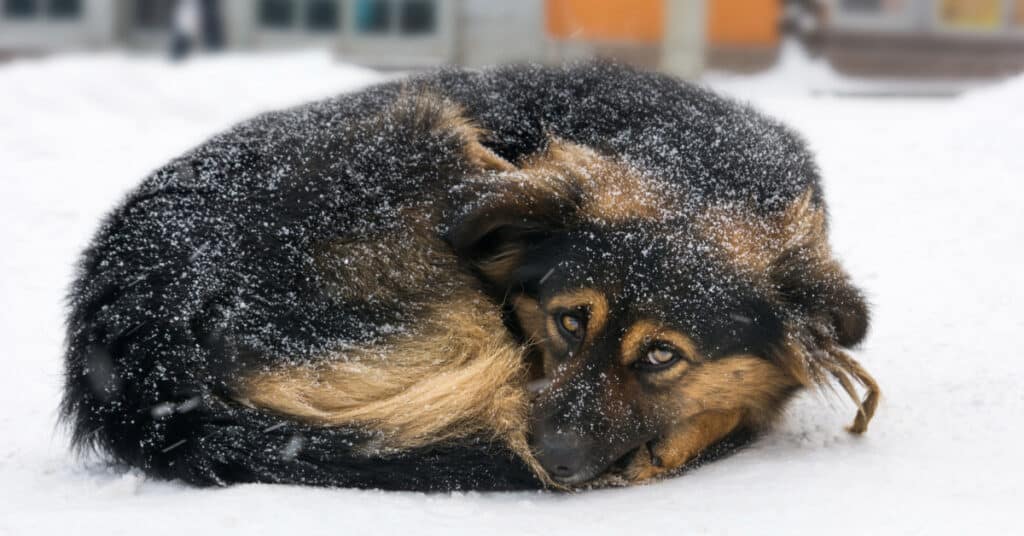
A quiet winter morning in Westminster can feel refreshing to us, but for some dogs, that chill can turn dangerous faster than expected. Hypothermia in dogs is more than just shivering; it occurs when a dog’s body temperature drops below normal levels, affecting how their organs and systems function. While many pet owners associate hypothermia with extreme cold, the early signs can be subtle and easy to miss. Early recognition makes a meaningful difference in how quickly a dog recovers. Understanding what hypothermia in dogs looks like, and how it develops, can help you take action sooner and keep your pet safer during Colorado’s colder months. If something doesn’t feel right, call Arrowhead Animal Hospital at (303) 469-1616 or book an appointment online for guidance.
What Is Dog Hypothermia?
Hypothermia in dogs refers to a drop in core body temperature below the normal range, typically under 99°F. A healthy dog’s body temperature usually falls between 100°F and 102.5°F, and even a small decline can begin to impact normal bodily functions. When a dog becomes too cold, their body struggles to maintain circulation, heart function, and neurological stability. This is not always an immediate or dramatic event, which is why many pet owners overlook the early stages.
Dogs do have natural defenses against cold weather, including fur coats and the ability to generate heat through movement. However, these defenses have limits, especially in certain environments or for specific dogs. Smaller breeds, senior dogs, and those with underlying health conditions may lose heat more quickly than others. In places like Westminster, CO, where temperatures can drop suddenly, even a short exposure can contribute to hypothermia under the right conditions.
It’s also important to understand that hypothermia in dogs can develop indoors in some situations, particularly if a pet is wet, ill, or exposed to drafts. This makes awareness even more important, since many people assume risk only exists outside. By recognizing that hypothermia is a gradual process rather than a single event, pet owners can better identify when something is off before it progresses further.
Symptoms of Dog Hypothermia
The symptoms of hypothermia in dogs can vary depending on how far the condition has progressed. Early signs often appear mild, which is why they are easy to dismiss. As the body temperature continues to drop, symptoms become more pronounced and concerning. Recognizing these changes early can make a meaningful difference in how quickly your dog receives care.
In the beginning, you may notice subtle behavioral changes or physical signs that seem minor on their own. These early indicators often reflect the body’s attempt to generate heat and conserve energy. As hypothermia advances, the body begins to slow down, leading to more serious symptoms that require immediate attention.
Common signs of hypothermia in dogs include:
- Persistent shivering or trembling
- Lethargy or decreased energy
- Weakness or difficulty standing
- Pale or cool gums
- Slowed breathing or heart rate
- Mental dullness or confusion
Mild vs. Severe Hypothermia
Mild hypothermia in dogs often presents as shivering and slight lethargy, and some dogs may still appear responsive and alert. At this stage, pet owners may assume their dog is simply cold and needs a blanket or warmer space. However, without intervention, mild hypothermia can progress quickly, especially if the underlying cause remains.
Severe hypothermia, on the other hand, can look very different. Dogs may stop shivering altogether, which many people mistakenly interpret as improvement. In reality, this can indicate that the body is no longer able to generate heat. Additional signs may include collapse, unresponsiveness, and significantly slowed vital functions. These changes highlight why early recognition of hypothermia in dogs matters so much.
Causes of Dog Hypothermia
Hypothermia in dogs does not happen randomly; it develops when a dog loses body heat faster than they can produce it. While cold weather is the most obvious cause, several contributing factors can increase a dog’s risk. Understanding these causes can help pet owners take proactive steps to reduce exposure and protect their pets.
Environmental exposure plays a significant role, especially during winter months in Colorado. Dogs left outside for extended periods, even in moderately cold temperatures, may gradually lose body heat. Wet conditions, such as snow or rain, can accelerate this process by reducing the insulating effect of a dog’s coat.
Factors that can contribute to hypothermia in dogs include:
- Prolonged exposure to cold temperatures
- Wet fur from snow, rain, or bathing
- Small body size or low body fat
- Advanced age or underlying illness
- Anesthesia or certain medical conditions
- Lack of adequate shelter or bedding
It’s also worth noting that some breeds are naturally more tolerant of cold weather, while others are not. Short-haired dogs or those without a thick undercoat may feel the effects of cold much sooner. Additionally, puppies and senior dogs often have a harder time regulating their body temperature, making them more vulnerable.
How Vets Diagnose Hypothermia in Dogs
When a dog comes into our animal hospital with suspected hypothermia, we begin with a thorough physical exam and an assessment of their vital signs. Core body temperature is one of the most important indicators, and we use an accurate thermometer to measure it correctly. This allows us to determine how far the condition has progressed and what level of care may be needed.
In addition to temperature, we evaluate heart rate, respiratory rate, and overall responsiveness. Hypothermia in dogs can affect multiple body systems, so we look for signs that indicate how those systems are functioning. For example, slowed heart rate or irregular breathing patterns may signal more advanced hypothermia.
Diagnostic Tools and Monitoring
We may use additional diagnostic tools to assess your dog’s condition more thoroughly. Bloodwork can help us evaluate organ function and identify any underlying issues that may have contributed to the drop in temperature. Monitoring equipment allows us to track changes in vital signs over time, which is especially important during the rewarming process.
These evaluations help us create a clear picture of your dog’s condition and guide our next steps. Each case of hypothermia in dogs is different, so we tailor our approach based on the individual pet’s needs. If you notice signs of hypothermia, calling Arrowhead Animal Hospital at (303) 469-1616 can help you determine the next best step.
Treatment for Dog Hypothermia
Treatment for hypothermia in dogs focuses on safely raising the body temperature while supporting vital functions. The approach depends on how severe the condition is, which is why early detection plays such an important role. In mild cases, gradual warming techniques may be enough to stabilize the dog.
At home, pet owners may start by moving their dog to a warm, dry environment and providing blankets. Ensuring the dog is dry is especially important, since moisture can continue to draw heat away from the body. However, it is important to avoid rapid or intense heat sources, as these can cause additional complications.
In more advanced cases, veterinary care becomes essential. Dogs with moderate to severe hypothermia often require controlled warming methods and close monitoring. This may include warm fluids, heated environments, and supportive care to stabilize heart and respiratory function.
Throughout treatment, our goal is to warm the dog gradually and safely. Rapid temperature changes can stress the body, which is why a measured approach is so important. If you are unsure whether your dog’s symptoms warrant a visit, our team can help guide you over the phone.
Recovery and Management of Dog Hypothermia
Recovery from hypothermia in dogs depends on several factors, including how low the body temperature dropped and how quickly treatment began. Many dogs recover well with prompt care, but some may require ongoing monitoring to ensure there are no lasting effects. During recovery, we focus on stabilizing the dog and preventing additional heat loss.
Once your dog returns home, creating a warm and comfortable environment can support their recovery. This may include providing soft bedding, limiting exposure to cold surfaces, and monitoring their behavior for any changes. Dogs recovering from hypothermia may need extra rest as their body regains normal function.
Long-term management involves reducing the risk of future episodes. This can include adjusting outdoor time during colder months, using protective gear when appropriate, and staying aware of your dog’s individual tolerance to cold. Even dogs that have handled winter well in the past may develop sensitivity as they age.
When a Chill Becomes a Concern
Hypothermia in dogs often starts quietly, with small changes that are easy to overlook. What begins as a simple shiver can progress into something more serious without clear warning. By paying attention to subtle signs and understanding the risks, you can make more informed decisions about your dog’s care.If your dog shows signs of hypothermia or you have concerns about their response to cold weather, reach out to Arrowhead Animal Hospital in Westminster, CO. Call (303) 469-1616 or book an appointment online to have your pet evaluated. Early awareness and timely care can make a meaningful difference in your dog’s comfort and recovery.