A quiet evening at home can quickly turn into a familiar scene — your cat crouches, retches, and eventually leaves behind a small, damp hairball on the floor. While this moment may feel routine, it often raises a question many cat owners ask: Is this normal, or should I be concerned? Cat hairballs are common, but they are not something to ignore. As your veterinary team in Westminster, CO, we want to help you understand what a cat hairball means, why it happens, and when it signals something more serious. With the right knowledge, you can better recognize patterns, reduce occurrences, and know when to take the next step. If your cat’s hairball behavior changes or becomes frequent, call Arrowhead Animal Hospital at (303) 469-1616 or book an appointment online for personalized guidance.
What Are Hairballs?
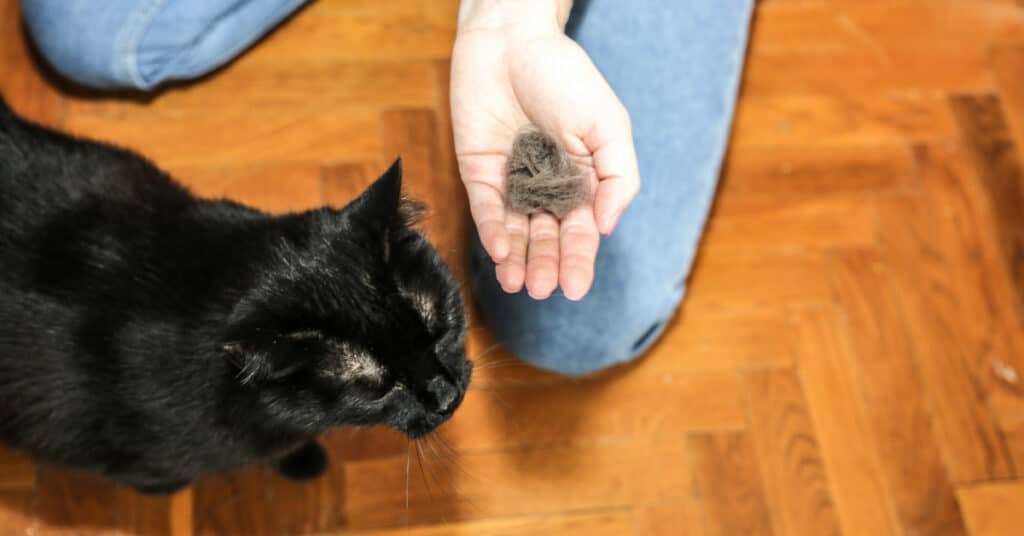
A cat hairball forms when loose hair collects in your cat’s stomach instead of passing through the digestive tract. Cats naturally groom themselves throughout the day, using their tongues to remove dirt, debris, and loose fur. During this process, they swallow a surprising amount of hair. In most cases, that hair moves through the digestive system without issue and exits in the stool. However, when the hair accumulates or fails to pass normally, it can clump together and form a hairball.
Hairballs are typically tubular rather than round, shaped by the esophagus as they are expelled. You may notice your cat retching or gagging before bringing one up, which can be alarming if you are not expecting it. Occasional cat hairball episodes may fall within normal behavior, especially in long-haired breeds or cats that groom frequently. That said, frequent or difficult hairball episodes can point to underlying concerns, including digestive motility issues or excessive grooming. Understanding what is typical for your cat helps you identify when something changes. When in doubt, we encourage you to connect with our team for guidance tailored to your cat’s health history.
What Causes Hairballs in Cats?
Hairballs develop as a result of grooming, but several factors can increase how often they occur. Every cat grooms, yet not every cat struggles with recurring cat hairball issues. The difference often lies in coat type, grooming habits, and overall health. Long-haired cats, such as Persians or Maine Coons, tend to ingest more hair simply due to coat length. Seasonal shedding can also increase the amount of loose fur your cat swallows, especially during spring and fall.
Health and behavior also play a role. Cats that groom excessively may do so due to stress, skin irritation, or underlying medical conditions. In some cases, gastrointestinal motility slows down, making it harder for swallowed hair to pass naturally. This leads to buildup and eventual regurgitation.
Common contributors to cat hairball frequency include:
- Heavy shedding during seasonal changes
- Long or dense coats that trap loose fur
- Overgrooming related to stress or boredom
- Skin conditions that cause itching or irritation
- Digestive changes that slow normal movement of hair
When we evaluate frequent cat hairball concerns, we look at the whole picture — coat condition, grooming habits, diet, and lifestyle. This allows us to identify patterns and recommend strategies that fit your cat’s needs.
Recognizing Symptoms of Hairballs in Cats
Most cat owners recognize the classic signs of a hairball episode, but it is important to know what falls within a typical range and what may signal a concern. Occasional retching followed by the production of a hairball may not raise alarms. However, repeated attempts without producing a hairball, or changes in behavior, can indicate a more serious issue.
Normal vs. Concerning Hairball Behavior
A typical cat hairball episode involves brief gagging or retching followed by the expulsion of a hairball. Your cat usually returns to normal behavior shortly afterward. When episodes become more frequent or intense, it is time to take a closer look. Persistent retching without producing a hairball may indicate that something is stuck or that your cat is experiencing irritation in the digestive tract.
Signs That Should Prompt Attention
Keep an eye out for changes that go beyond occasional hairballs. These may include:
- Frequent gagging or retching with little to no result
- Decreased appetite or interest in food
- Lethargy or reduced activity levels
- Constipation or changes in stool
- Visible discomfort or hiding behavior
These signs do not confirm a serious condition on their own, but they do warrant a conversation with your veterinary team. If your cat shows any of these symptoms, call Arrowhead Animal Hospital at (303) 469-1616 to discuss next steps or schedule an evaluation online.
How to Prevent Cat Hairballs
Reducing cat hairball frequency often starts with simple, consistent habits that support your cat’s natural grooming and digestive processes. Prevention focuses on minimizing loose hair, supporting healthy digestion, and addressing any underlying triggers for excessive grooming. Small changes can make a noticeable difference over time.
Regular grooming is one of the most effective ways to reduce hair ingestion. Brushing your cat removes loose fur before they have a chance to swallow it. This is especially helpful during peak shedding seasons. Even short-haired cats benefit from routine brushing, as it reduces overall hair intake.
You can also support your cat’s digestive health by ensuring access to fresh water and a balanced diet. Some diets are designed to support hairball control by promoting normal digestion and helping hair pass more easily through the system. Environmental enrichment also plays a role. Cats that feel mentally stimulated and relaxed are less likely to overgroom out of stress.
Practical ways to reduce cat hairball issues include:
- Brushing your cat regularly to remove loose fur
- Providing enrichment through toys, climbing spaces, and interaction
- Monitoring seasonal shedding and adjusting grooming frequency
- Offering a consistent, balanced diet that supports digestion
If your cat experiences frequent hairballs despite these efforts, we can help evaluate whether additional support or changes may be beneficial.
Complications of Cat Hairballs
While many cat hairball episodes resolve without issue, complications can occur when hair accumulates and does not pass or get expelled. In some cases, hair can form a blockage within the digestive tract. This prevents normal movement of food and waste, leading to more serious health concerns. Although this is less common, it is important to recognize the possibility.
A blockage may present with persistent vomiting, lack of appetite, or noticeable discomfort. Unlike a typical hairball episode, your cat may not produce anything despite repeated attempts to retch. Over time, this can lead to dehydration or worsening gastrointestinal distress. Cats may also become withdrawn or less responsive, which signals that something is not right.
Chronic hairball issues can also indicate underlying conditions such as inflammatory bowel disease or skin disorders that drive excessive grooming. In these cases, the hairball is a symptom rather than the root issue. That is why ongoing or worsening cat hairball patterns deserve attention. Early evaluation allows us to identify contributing factors and guide you toward the next steps that support your cat’s health.
When to See a Vet About Hairballs
Knowing when to seek veterinary care for a cat hairball concern can make a meaningful difference in your cat’s comfort and health. Occasional hairballs may not require intervention, but patterns matter. If you notice an increase in frequency, difficulty producing hairballs, or changes in your cat’s behavior, it is time to reach out.
Signs That Warrant a Veterinary Visit
Certain symptoms indicate that your cat may need to be evaluated. These include:
- Repeated, unproductive retching
- Vomiting without hair present
- Loss of appetite lasting more than a day
- Noticeable lethargy or hiding
- Constipation or absence of stool
These signs suggest that your cat may be dealing with more than a routine hairball. Prompt evaluation allows us to determine what is happening and discuss appropriate next steps.
If your cat is showing unusual symptoms or frequent hairball issues, call Arrowhead Animal Hospital at (303) 469-1616 or book an appointment online. We are here to help you navigate these concerns with clarity and confidence.