Bad breath in dogs often starts as something you notice during a close cuddle or a happy greeting at the door, but it can point to more than just what your dog ate. In many cases, persistent odor from your dog’s mouth signals underlying dental concerns or broader health issues that deserve attention. At Arrowhead Animal Hospital in Westminster, CO, we regularly talk with pet owners who wonder, “Is bad breath in dogs normal?” The answer is simple: occasional odor may happen, but consistent, strong bad breath is usually a sign that something needs to be addressed. Understanding the causes of bad breath in dogs and the available treatment options allows you to take the next step with confidence and keep your dog feeling comfortable and healthy.
Why Does My Dog Have Bad Breath?
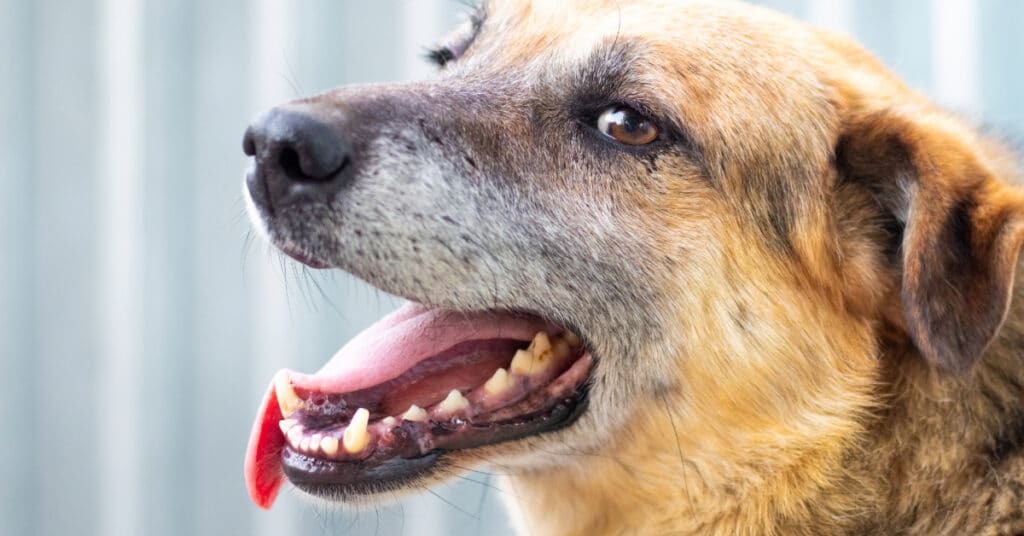
Bad breath in dogs, also known as halitosis, usually develops when bacteria build up in the mouth. These bacteria form plaque on the teeth, which can harden into tartar over time. As this buildup progresses, it can irritate the gums and lead to periodontal disease, one of the most common causes of persistent odor. When we evaluate bad breath in dogs at our Westminster clinic, we often find that dental disease is at the root of the issue, even if the teeth look relatively normal at first glance.
In addition to dental disease, several other factors can contribute to bad breath in dogs. Diet plays a role, especially if your dog consumes table scraps or gets into the trash. Foreign objects, such as sticks or toys lodged in the mouth, can also create odor as bacteria accumulate around them. In some cases, systemic health concerns, including kidney or metabolic conditions, may lead to unusual breath smells. While these causes are less common, they highlight why ongoing bad breath should never be ignored.
Common causes of bad breath in dogs include:
- Plaque and tartar buildup leading to gum inflammation
- Periodontal disease affecting the teeth and surrounding tissues
- Dietary habits, including scavenging or eating spoiled food
- Oral infections or abscesses
- Foreign objects trapped between teeth or gums
- Underlying health conditions that affect breath odor
Each of these factors can contribute to dog bad breath in different ways, and the severity of the smell often reflects how advanced the issue has become. That’s why early evaluation makes such a difference in both comfort and long-term oral health.
How to Get Rid of Your Dog’s Bad Breath
When pet owners ask how to get rid of bad breath in dogs, we focus on identifying the cause first and then building a plan around it. Addressing bad breath is not about masking odor; it’s about improving oral health and preventing further complications. Professional dental care plays a central role, but daily habits at home also make a meaningful impact.
We may recommend a professional dog teeth cleaning at Arrowhead Animal Hospital to remove plaque and tartar from above and below the gumline. This process allows us to evaluate the teeth thoroughly and address any underlying concerns. Once we’ve established a baseline of oral health, consistent at-home care helps maintain those results and reduce the likelihood of recurring bad breath.
At-home habits that support fresher breath include:
- Routine tooth brushing using dog-safe toothpaste
- Dental chews or treats designed to reduce plaque buildup
- Fresh water access to help rinse the mouth naturally
- Consistent feeding routines that limit exposure to spoiled or inappropriate foods
These habits support oral hygiene and help reduce the bacteria that contribute to bad breath in dogs. While they do not replace professional care, they can extend the benefits of a dental cleaning and keep your dog more comfortable between visits.
Professional Treatment Options
Professional care focuses on both prevention and treatment. Dental cleanings remove existing buildup, while dental exams help us detect early signs of disease. In more advanced cases, treatment may involve addressing infected teeth or inflamed gums to restore oral health and reduce odor. Every dog’s needs are different, which is why we tailor recommendations based on age, lifestyle, and current dental condition.
By combining professional care with consistent at-home habits, many dogs experience a noticeable improvement in breath and overall comfort. Addressing the root cause also reduces the risk of more serious complications that can develop when dental disease goes untreated.
When to Call the Vet
Bad breath in dogs does not always require immediate concern, but certain signs indicate it’s time to schedule a visit. Persistent odor that does not improve, even with regular brushing or dental treats, often signals an underlying issue that needs attention. Changes in eating habits, such as reluctance to chew or dropping food, can also point to oral discomfort.
At our Westminster clinic, we encourage pet owners to look beyond the smell itself and consider any additional changes in behavior or appearance. Swollen or bleeding gums, excessive drooling, or visible buildup on the teeth are all indicators that your dog may need a dental evaluation. Addressing these signs early can prevent more advanced disease and help your dog return to normal routines more quickly.
Signs it’s time to schedule an appointment include:
- Persistent or worsening bad breath in dogs
- Difficulty eating or chewing
- Red, swollen, or bleeding gums
- Loose or discolored teeth
- Excessive drooling or pawing at the mouth
These symptoms often accompany dental disease and should not be overlooked. Early intervention allows us to manage the issue more effectively and minimize discomfort for your dog.
Fresh Breath Starts with a Healthier Smile
Bad breath in dogs often serves as an early warning sign rather than a minor inconvenience. By paying attention to changes in your dog’s breath and behavior, you can catch potential issues before they progress. With the right combination of professional dental care and consistent at-home habits, many cases of dog bad breath improve significantly, leading to better comfort and overall health.At Arrowhead Animal Hospital in Westminster, CO, we take a proactive approach to dental care and work closely with pet owners to keep dogs feeling their best. If you’ve noticed persistent bad breath or changes in your dog’s oral health, we invite you to call (303) 469-1616 or book an appointment online. A healthier smile often starts with a simple conversation, and we’re here to guide you every step of the way.