
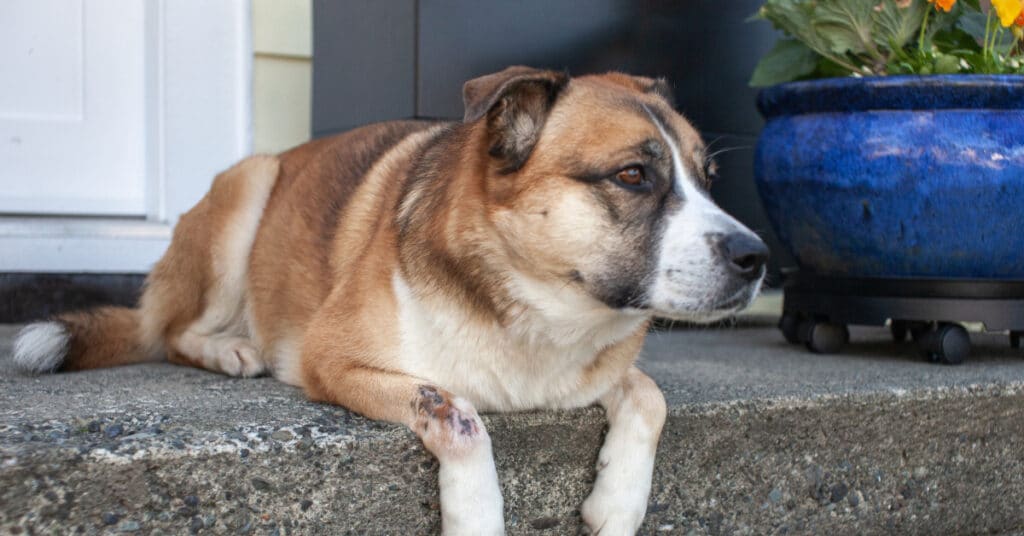
If your dog has a raw, red, oozing patch of skin that seems to have appeared overnight, you’re likely dealing with a hot spot, and knowing how to treat dog hot spots quickly can prevent the area from getting worse. Hot spots, also known as acute moist dermatitis, are localized areas of irritated, infected skin that dogs often make worse by licking, chewing, or scratching. At Arrowhead Animal Hospital in Westminster, we see hot spots often, especially during warmer months, and the sooner they’re addressed, the faster your dog can find relief.
What Exactly Is a Dog Hot Spot?
A hot spot is a patch of inflamed, moist skin that can develop within hours, often triggered by an initial irritation like a bug bite, allergy flare-up, or matted fur trapping moisture against the skin. Once a dog starts licking or scratching the area, a cycle begins where the irritation worsens, making the hot spot spread quickly. Here’s what you may notice:
- Red, inflamed, and often wet or oozing skin
- Hair loss around the affected area
- A foul odor coming from the site
- Visible swelling or a raised appearance
How Quickly Do Dog Hot Spots Develop?
One of the most surprising things about hot spots for many pet parents is just how fast they appear. Knowing how to treat dog hot spots starts with understanding that a small irritated patch can turn into a large, painful area in a matter of hours, which is why quick action makes such a difference in how easily it resolves.
What Causes Dog Hot Spots?
Understanding the trigger behind a hot spot can help you figure out how to treat dog hot spots effectively and prevent them from recurring. Common causes include:
- Allergies: Environmental or food allergies can lead to excessive scratching and licking.
- Flea or insect bites: Irritation from bites often kicks off the scratching cycle.
- Matted or damp fur: Trapped moisture creates an ideal environment for bacteria.
- Underlying skin infections: Bacterial or yeast infections can trigger persistent irritation.
Are Some Dogs More Prone to Hot Spots Than Others?
Yes. Dogs with thick or dense coats, like Golden Retrievers and German Shepherds, tend to develop hot spots more often since moisture gets trapped closer to the skin. Dogs with known allergies are also more likely to need repeated guidance on how to treat dog hot spots, since their skin barrier is already more reactive to begin with.
Tip 1: Keep the Area Clean and Dry
One of the most important steps in how to treat dog hot spots is keeping the affected area clean. Excess moisture trapped against the skin allows bacteria to thrive, which is why gently keeping the area dry between vet visits matters. A vet-recommended antiseptic wipe or diluted saline rinse can help remove debris without further irritating already sensitive skin.
Tip 2: Prevent Further Licking and Scratching
Because hot spots worsen with continued licking, interrupting that cycle is essential. Many pet parents use a properly fitted e-collar temporarily to prevent their dog from making the area worse while healing.
What If My Dog Won’t Tolerate an E-Collar?
Some dogs adjust poorly to a traditional cone. Soft inflatable collars or recovery suits can be a more comfortable alternative that still accomplish the same goal: keeping teeth and tongue away from the hot spot long enough for it to start healing.
Tip 3: Trim (Don’t Shave) the Surrounding Fur Carefully
Trimming hair away from the hot spot with care can help air reach the area and prevent moisture from being trapped underneath matted fur. This is a step best done gently, since irritated skin is sensitive to the touch.
Tip 4: Watch for Signs of Spreading or Worsening
Hot spots can expand quickly, sometimes within just a day. Keep an eye out for:
- The area growing larger or deeper
- Increasing redness or swelling
- Your dog showing signs of pain when the area is touched
- A worsening odor or discharge
What If the Hot Spot Isn’t Improving?
If you’ve been following steps on how to treat dog hot spots at home and the area isn’t showing improvement within a day or two, that’s a sign the hot spot may need medicated treatment. Some hot spots involve a bacterial component that simply won’t resolve without veterinary care.
Tip 5: See Your Veterinarian for Proper Treatment
While at-home care can support healing, knowing how to treat dog hot spots properly often requires a veterinary visit, since many hot spots need medicated treatment to fully resolve and to address the underlying cause. Dr. Patel and the team at Arrowhead Animal Hospital can determine whether an infection is present and recommend the right course of care so the hot spot doesn’t return.
How Are Hot Spots Treated at Arrowhead Animal Hospital?
Depending on severity, treatment for a hot spot may include gently cleaning the area, clipping surrounding fur, and prescribing topical or oral medication to address infection and inflammation. Understanding how to treat dog hot spots on a case-by-case basis is exactly why a hands-on exam makes such a difference compared to guesswork at home.
What to Avoid When Treating a Hot Spot at Home
Knowing how to treat dog hot spots also means knowing what not to do. Some well-meaning home remedies can actually slow healing or make the area more painful for your dog:
- Avoid human antiseptics like rubbing alcohol or hydrogen peroxide, which can burn irritated skin
- Skip over-the-counter creams not specifically approved for pets, since some contain ingredients that are toxic if licked
- Don’t bandage or cover a hot spot, since trapped moisture can worsen the infection
- Avoid shaving the area completely, as bare skin can become newly irritated by friction
Why Do Some Home Remedies Make Hot Spots Worse?
Many products marketed for human skin issues are simply too harsh for the already-inflamed, broken skin of a hot spot. What looks like a helpful drying agent can instead delay healing or introduce new irritation, which is part of why learning how to treat dog hot spots the right way, with vet-approved products, matters more than reaching for whatever is in the medicine cabinet.
Preventing Future Hot Spots
Once you’ve learned how to treat dog hot spots for one episode, the next question is usually how to keep them from coming back. Prevention often comes down to managing the underlying triggers rather than the hot spot itself.
- Keep your dog’s coat brushed and free of mats, especially after swimming or bathing
- Stay current on flea and tick prevention
- Dry your dog thoroughly after baths, swimming, or rain
- Address underlying allergies with guidance from your veterinarian
Can Diet or Allergies Play a Role in Recurring Hot Spots?
Yes. Dogs with food sensitivities or environmental allergies often develop hot spots repeatedly until the root allergy is identified and managed. If your dog seems to need guidance on how to treat dog hot spots every few months, it may be worth discussing a broader allergy workup with your veterinarian rather than treating each flare-up individually.
Helping Your Dog Heal Comfortably and Quickly
Dog hot spots can look alarming, but with quick attention and the right care, most dogs recover within days rather than weeks. If your dog is dealing with a hot spot that isn’t improving, or if you’re noticing them pop up repeatedly, our team at Arrowhead Animal Hospital in Westminster is ready to help get to the bottom of it and guide you through how to treat dog hot spots so they heal properly the first time. Call (303) 469-1616 or book an appointment online!