As pet owners, you know your dog or cat better than anyone, and that instinct matters. When something changes suddenly or doesn’t feel right, it may be time to consider an urgent vet visit. Recognizing early warning signs can make a meaningful difference in your pet’s comfort and outcome. At Arrowhead Animal Hospital in Westminster, CO, we guide pet owners through these moments, helping you understand when to act and what steps to take next. If you ever find yourself wondering whether a symptom requires urgent care, this guide will help you identify what to watch for and when to call (303) 469-1616.
Nausea and Vomiting
Occasional vomiting can happen in dogs and cats, but repeated or severe episodes often signal a need for an urgent vet evaluation. If your pet vomits multiple times in a short period, cannot keep food or water down, or shows signs of discomfort alongside vomiting, we recommend contacting an urgent vet right away. These symptoms may point to underlying issues such as gastrointestinal upset, ingestion of a foreign object, or exposure to something toxic.
It’s also important to look beyond the act of vomiting itself. Changes in behavior, such as pacing, drooling, or hiding, may accompany nausea and indicate a more serious concern. If vomiting is paired with diarrhea, lethargy, or abdominal discomfort, the need for urgent vet care becomes even more apparent. While you can remove food temporarily and offer small amounts of water to help your pet settle, persistent symptoms should not be monitored at home for long.
Watch for these warning signs:
- Vomiting more than once in a few hours
- Presence of blood or unusual color in vomit
- Refusal to eat or drink
- Signs of pain or restlessness
Bleeding
Bleeding is one of the clearest indicators that your pet may need urgent veterinary attention. Whether the bleeding is visible on the surface or suspected internally, it’s important to act quickly. External bleeding may come from a wound, broken nail, or injury, while internal bleeding can present more subtly with symptoms like pale gums, weakness, or abdominal swelling.
Even small amounts of bleeding can become serious depending on the source and cause. Pets who have experienced trauma, such as a fall or accident, may require an urgent vet assessment even if the bleeding appears controlled. At Arrowhead Animal Hospital, we encourage pet owners in Westminster to err on the side of caution when bleeding occurs, especially if it does not stop within a few minutes.
When Bleeding Becomes an Emergency
If bleeding continues despite gentle pressure, or if your pet shows signs of shock, such as rapid breathing, weakness, or collapse, this situation requires immediate urgent vet care. Internal bleeding can be harder to detect, so changes in gum color or sudden lethargy should never be ignored. Prompt evaluation allows us to identify the source and determine the next steps quickly.
Differences in Your Pet’s Eyes
Changes in your pet’s eyes can happen quickly and often indicate discomfort or underlying health concerns. Redness, swelling, discharge, or cloudiness may all point to conditions that benefit from urgent vet attention. Pets rely heavily on their vision, so any sudden eye change should be taken seriously.
In Westminster, we frequently see pets with eye irritation from environmental factors like dust or allergens, but more serious conditions can also present with similar symptoms. Squinting, pawing at the face, or keeping one eye closed are all signs that your pet may be experiencing pain. If left unaddressed, some eye conditions can progress rapidly.
When evaluating eye changes at home, observe both eyes closely and note any differences. Avoid applying any products unless directed, and reach out to an urgent vet if symptoms appear suddenly or worsen.
Weakness, Inactivity, and Lethargy
Every pet has quiet days, but a noticeable drop in energy can signal a deeper issue. If your dog or cat becomes unusually inactive, struggles to stand, or seems uninterested in normal activities, it may be time to consult an urgent vet. Lethargy often accompanies a wide range of conditions, from mild illness to more serious concerns.
Pay attention to how your pet responds to you and their environment. A pet who normally greets you at the door but suddenly stays hidden or unresponsive may be experiencing discomfort or illness. In Westminster homes, changes in routine, appetite, and interaction often provide early clues.
Common signs that warrant attention include:
- Difficulty getting up or moving around
- Lack of interest in food, play, or interaction
- Unusual sleeping patterns or hiding behavior
- Weakness or collapse
Loss of Appetite and Weight Loss
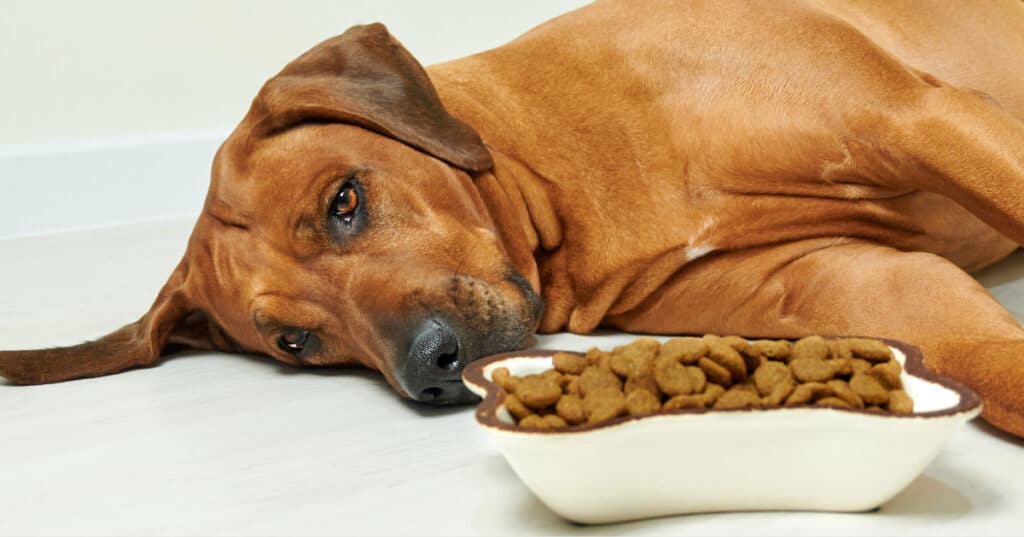
A missed meal here and there may not raise concern, but a consistent loss of appetite can indicate that something isn’t right. When pets stop eating or begin to lose weight, we consider both the duration and accompanying symptoms. A sudden refusal to eat often points to discomfort, nausea, or stress, while gradual weight loss may suggest a chronic issue.
Pet owners in Westminster often notice subtle changes first, such as leaving food behind, eating more slowly, or skipping treats. These shifts can signal the need for an urgent vet evaluation, especially if they persist beyond a day or two. Cats, in particular, can be sensitive to changes in appetite, and prolonged refusal to eat may lead to additional concerns.
Offering familiar food, ensuring a calm environment, and monitoring intake can help you gather information before contacting your veterinary team. If appetite does not return quickly, scheduling an urgent visit is the next step.
Difficulty or Inability to Walk
Mobility changes can occur suddenly and may require urgent vet care depending on the severity. If your pet is limping, dragging a limb, or unable to stand, it’s important to assess the situation promptly. Injuries, joint issues, and neurological concerns can all contribute to these symptoms.
Sudden vs. Gradual Mobility Changes
Sudden inability to walk often signals a more urgent issue, especially if accompanied by pain or vocalization. Gradual changes, such as stiffness or reluctance to move, may still require attention but can sometimes be monitored briefly before contacting your veterinarian. Either way, changes in mobility should never be overlooked.
Limiting activity, providing a comfortable resting area, and avoiding stairs can help reduce strain while you arrange an urgent vet visit. At Arrowhead Animal Hospital, we work closely with Westminster pet owners to determine the cause and next steps.
Excessive Thirst or Loss of Thirst
Changes in drinking habits can offer important insight into your pet’s health. Drinking significantly more water than usual or refusing water altogether may indicate an underlying concern. Increased thirst can be associated with various conditions, while decreased intake may lead to dehydration if not addressed.
Monitor your pet’s water bowl and note how often it needs to be refilled. If you observe a sudden spike or drop in water consumption, consider whether other symptoms are present. Changes in urination, appetite, or behavior often accompany shifts in thirst.
Key signs to monitor include:
- Frequent trips to the water bowl
- Accidents in the house or litter box changes
- Dry gums or signs of dehydration
- Lack of interest in drinking
Problems Urinating or Defecating
Elimination issues often require prompt attention, especially when your pet strains, cries, or cannot go at all. Difficulty urinating or defecating can indicate discomfort or blockage, which may require urgent vet care. These symptoms can escalate quickly and should not be delayed.
In Westminster, we frequently see pets with urinary concerns that present as frequent attempts to urinate, accidents, or visible discomfort. Cats, in particular, may visit the litter box repeatedly without producing much output. Dogs may strain or show signs of pain during walks.
If you notice changes in your pet’s elimination habits, monitor frequency, posture, and any vocalization. While keeping your pet comfortable at home, contact your veterinary team to determine whether an urgent visit is needed.
When It’s Time to Call Your Urgent Vet
It’s not always easy to decide when to seek care, but your observations play a vital role. If symptoms appear suddenly, worsen quickly, or involve multiple systems, it’s time to reach out. Trust your instincts and contact an urgent vet when something feels off.
We’re here to support Westminster pet owners through these moments. If your dog or cat is showing any of the signs above, call us at (303) 469-1616 for urgent vet care at Arrowhead Animal Hospital. Early attention can provide clarity and help your pet return to feeling like themselves again.