
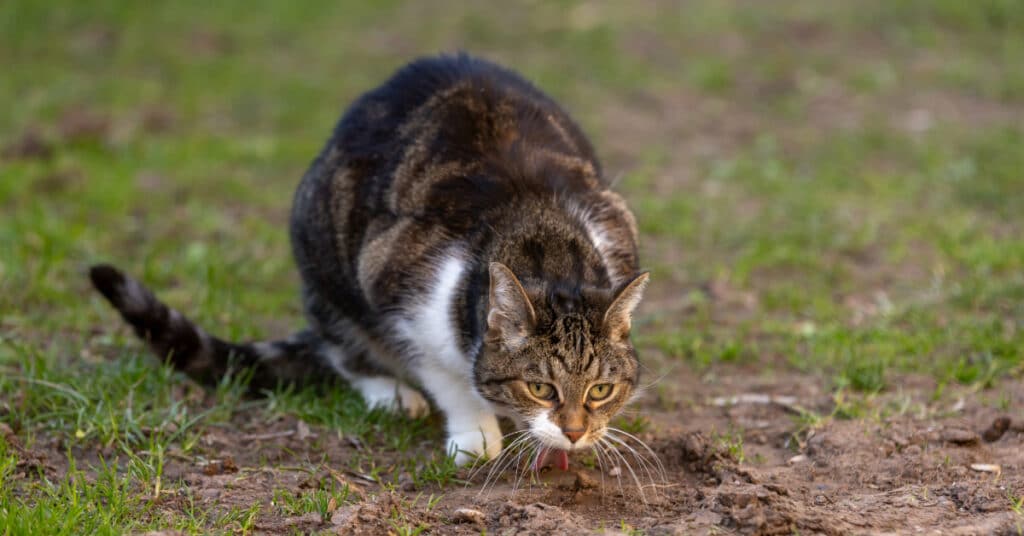
Cat vomiting is something almost every cat owner deals with at some point, and while an occasional episode isn’t usually cause for panic, understanding why it’s happening can help you know when it’s time to call your veterinarian. Cats vomit for reasons ranging from eating too quickly to underlying digestive issues, and the frequency and context matter just as much as the vomiting itself. At Arrowhead Animal Hospital in Westminster, cat vomiting is one of the most common concerns pet parents bring to us, and getting to the root cause makes all the difference.
Why Do Cats Vomit So Often?
Cats are prone to vomiting more than dogs for a few physiological reasons, including a shorter digestive tract and a strong gag reflex. Cat vomiting can be occasional and harmless, or it can be a sign of something that needs veterinary attention. The key is understanding the difference between the two.
Is Cat Vomiting Different From Regurgitation?
Pet parents often use the terms interchangeably, but they describe different processes. Cat vomiting involves active abdominal effort and typically brings up partially digested food or bile, while regurgitation is a passive expulsion of undigested food shortly after eating.
Common Causes of Cat Vomiting
There are many possible explanations behind vomiting in cats, and most fall into a handful of common categories that Arrowhead Animal Hospital sees regularly:
- Eating too fast: Cats who gulp down food quickly often vomit shortly after eating, sometimes bringing up undigested food.
- Hairballs: Especially common in long-haired cats, hairballs are a frequent and mostly benign cause of vomiting.
- Dietary indiscretion: Eating something unusual, spoiled, or outside their normal diet can trigger vomiting.
- Food sensitivities: Some cats vomit in response to certain ingredients or sudden diet changes.
- Underlying illness: Chronic vomiting can be linked to conditions such as kidney disease, hyperthyroidism, or inflammatory bowel disease.
Does Age Affect the Cause of Cat Vomiting?
Younger cats are more likely to experience vomiting from dietary indiscretion or hairballs, while senior cats are more prone to vomiting linked to chronic conditions like kidney disease or hyperthyroidism. This is one reason cat vomiting in an older cat is generally taken more seriously than an isolated episode in a playful kitten.
Is Cat Vomiting Always a Sign of Something Serious?
Not necessarily. Occasional vomiting, especially when it’s an isolated incident and your cat is otherwise acting normal, eating well, and using the litter box as usual, often isn’t an emergency. However, cat vomiting that becomes frequent, chronic, or is paired with other symptoms is a different story and warrants a veterinary visit.
When Should I Worry About My Cat Vomiting?
Vomiting becomes a bigger concern when it’s accompanied by any of the following:
- Vomiting more than once or twice a week
- Blood in the vomit or a coffee-ground appearance
- Noticeable weight loss or decreased appetite
- Lethargy, hiding, or a change in normal behavior
- Vomiting combined with diarrhea or straining in the litter box
How Can I Help Reduce Vomiting in My Cat?
While cat vomiting isn’t always preventable, there are steps pet parents can take at home to reduce how often it happens:
- Feed smaller, more frequent meals to slow down fast eaters
- Use a slow-feeder bowl to prevent gulping
- Brush your cat regularly to reduce hairball formation
- Maintain a consistent diet and introduce new foods gradually
- Keep an eye on anything unusual your cat may have access to around the house
Can Diet Changes Alone Stop Cat Vomiting?
For some cats, yes. Vomiting linked to fast eating or minor food sensitivities often improves significantly with a slow-feeder bowl or a more consistent diet. However, cat vomiting caused by an underlying medical condition won’t resolve with diet changes alone, which is why persistent cases still warrant a veterinary exam.
What Happens During a Vet Visit for Cat Vomiting?
If you bring your cat to Arrowhead Animal Hospital for ongoing vomiting, our veterinary team will typically start with a physical exam and a detailed history of when the vomiting occurs, what it looks like, and any other symptoms you’ve noticed. From there, diagnostic testing may be recommended to identify an underlying cause, since chronic vomiting can stem from a wide range of conditions that aren’t always obvious from symptoms alone.
What Tests Might Be Recommended?
Depending on your cat’s history, diagnostics for cat vomiting can include bloodwork, urinalysis, imaging such as X-rays or ultrasound, or even a trial diet to rule out food sensitivities. The goal is always to identify the specific driver behind the vomiting rather than treating the symptom alone.
Getting to the Root of Your Cat’s Vomiting
Cat vomiting can range from a once-in-a-blue-moon hairball to a sign of a more significant health issue. Paying attention to frequency, triggers, and accompanying symptoms gives you and your veterinarian the clearest picture. If you’re ever uncertain whether your cat’s vomiting is normal or something more, the team at Arrowhead Animal Hospital in Westminster is here to help you figure it out. Call (303) 469-1616 or book an appointment online!