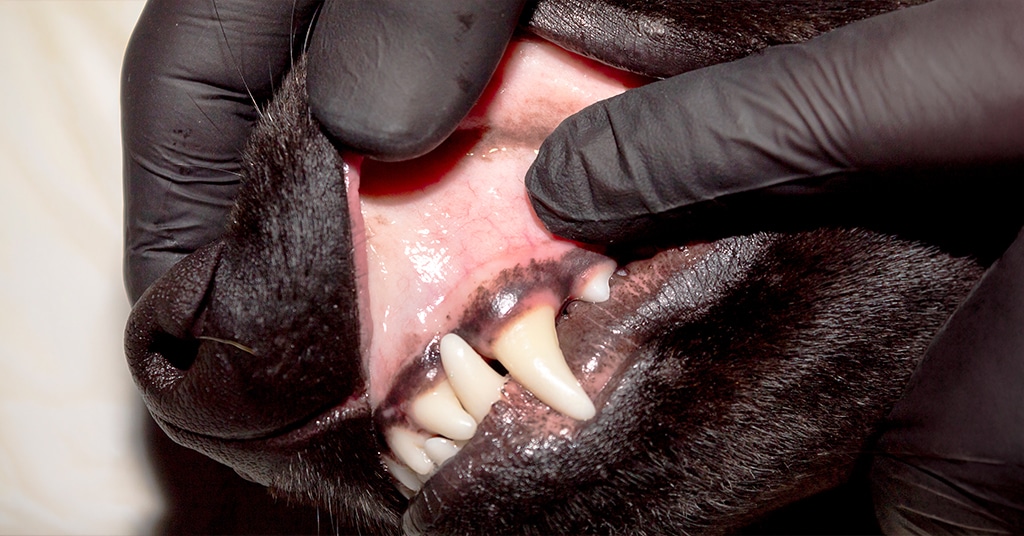
Pale gums in dogs usually mean that not enough red blood cells or blood flow are reaching the tissues, and the cause can range from a slowly developing anemia to sudden internal bleeding or shock. Because several of those causes can become life-threatening within hours, dog pale gums should always prompt a call to your veterinarian.
Healthy canine gums typically look bubblegum pink and feel slightly moist. When the color fades to light pink, gray, or white, your dog’s body is signaling that something has changed. Some dogs have naturally pigmented black or spotted gums, which makes the change harder to notice, so it helps to know what your own pet’s mouth looks like on a normal day. At Arrowhead Animal Hospital in Westminster, CO, our team regularly helps owners make sense of gum color changes. This guide explains what the color can mean, which signs call for urgent help, and how veterinarians find and address the underlying problem.
What Causes Pale Gums in Dogs?
Gum color depends on two things: how many red blood cells your dog has and how well blood is circulating through the small vessels near the surface. Anything that disrupts either one can turn the gums pale.
What Different Shades Can Suggest
Not all pale gums look the same, and the specific shade gives veterinarians useful clues. Light pink gums often point to mild or developing anemia. White or nearly colorless gums suggest significant blood loss or severe anemia. A grayish or muddy tone can indicate poor circulation or shock. Pale gums with a yellow tint may signal that red blood cells are breaking down faster than normal. Noting the exact color, and when you first saw it, helps your veterinary team narrow down the possibilities faster.
Blood Loss and Anemia
Anemia, a low red blood cell count, is one of the most common reasons behind dog pale gums. It can develop when a dog loses blood, when the body destroys its own red blood cells, or when the bone marrow stops producing enough new ones. Blood loss isn’t always visible. A ruptured tumor on the spleen, for example, can bleed into the abdomen with no outward wound at all.
Circulation Problems and Shock
Even with a normal blood count, gums can lose color when circulation drops. Shock from trauma, severe dehydration, a twisted stomach, or an allergic reaction diverts blood toward vital organs and away from the gums. Heart disease can produce the same effect by reducing how well the heart pumps.
Other Underlying Conditions
Veterinarians see a wide range of conditions linked to pale gums in dogs, including:
- Heavy parasite loads, such as hookworms, fleas, or ticks, particularly in puppies and small breeds
- Immune-mediated hemolytic anemia (IMHA), where the immune system attacks red blood cells
- Rodenticide poisoning, which interferes with normal blood clotting
- Chronic kidney disease, which can reduce red blood cell production over time
- Cancers that affect the bone marrow, spleen, or other blood-rich organs
- Tick-borne diseases that damage blood cells or platelets
When Should You Call Your Vet About Pale Gums?
Any noticeable fading in gum color deserves a phone call, but some combinations of symptoms point to a true emergency.
Signs That Need Emergency Care Right Away
Seek emergency veterinary care immediately if your dog’s pale gums appear along with any of these warning signs:
- Collapse, sudden weakness, or inability to stand
- Rapid, labored, or open-mouth breathing while at rest
- A swollen or tight belly, especially with unproductive retching
- Gums that look white or gray rather than light pink
- Known or suspected access to rat or mouse bait
- Recent trauma, such as being hit by a car or falling
- Black, tarry stool or vomit that looks like coffee grounds
When a Same-Day Appointment Makes Sense
If your dog seems comfortable but its gums look lighter than usual, or you notice gradual changes like low energy, reduced appetite, or tiring quickly on walks, call to schedule a prompt exam. Slowly developing anemia often causes subtle symptoms because the body adapts over weeks. Waiting to see whether things improve on their own can allow a treatable condition to progress. To reach our team, call Arrowhead Animal Hospital at (303) 469-1616. If your dog shows emergency signs after hours, head straight to the nearest 24-hour emergency hospital.
How Do Vets Diagnose the Cause of Pale Gums in Dogs?
Pale gums describe a symptom rather than a diagnosis, so your veterinarian’s first goal is to figure out whether the issue involves blood count, blood loss, or circulation.
Physical Exam and History
The visit starts with a thorough physical exam. Your vet will check gum color, capillary refill time, heart rate, breathing, temperature, and abdominal comfort. They’ll also ask about recent events, including diet changes, possible toxin exposure, travel, parasite prevention, and how long you’ve noticed symptoms. Small details, like a missing bait trap in the garage, can steer the investigation in the right direction.
Lab Work and Imaging
Diagnostic testing helps pinpoint what’s driving the color change. Common tests include:
- Packed cell volume (PCV) and complete blood count (CBC): measure red blood cells and show whether the body is producing new ones
- Blood smear: lets the veterinarian look at cell shape and spot parasites or signs of immune destruction
- Chemistry panel: evaluates kidney, liver, and protein levels
- Clotting tests: check for problems like rodenticide toxicity
- X-rays and ultrasound: look for internal bleeding, masses, or heart changes
- Fecal and tick-borne disease testing: rule out parasitic causes
In an emergency, your veterinarian may start stabilizing your dog while these results come in, since some causes of dog pale gums can’t wait for a full workup.
What Does Treatment for Pale Gums Involve?
Treatment always targets the underlying cause, which is why an accurate diagnosis matters so much. Pale gums in dogs never have a single one-size-fits-all fix.
Stabilizing Critical Patients
Dogs in shock or with severe blood loss often need immediate hospital care. Depending on the situation, that may include oxygen support, intravenous fluids to restore circulation, and blood or plasma transfusions to replace lost red blood cells or clotting factors. Close monitoring during this phase lets the veterinary team respond quickly as your dog’s condition changes.
Addressing the Root Problem
Once your dog is stable, care shifts toward the specific cause. A bleeding splenic mass may require surgery. Immune-mediated anemia often calls for medications that calm the immune response. Parasitic infections need prescription treatment, and rodenticide exposure has a specific antidote your veterinarian can provide. Dogs with kidney or heart disease typically need a longer-term management plan with regular rechecks.
Recovery timelines vary widely. Some dogs bounce back within days, while others need weeks of follow-up visits and repeat blood work. Your veterinary team will walk you through what to expect for your dog’s particular diagnosis.
Follow-Up Care After Your Dog Comes Home
Many dogs with dog pale gums need ongoing monitoring even after they feel better. Recheck appointments usually include repeat blood work to confirm that red blood cell levels are climbing and that the treatment plan is working. Give any prescribed medications exactly as directed, and call your veterinarian before making changes, even if your dog seems back to normal. If the gums start to fade again or new symptoms appear between visits, contact your vet promptly rather than waiting for the next scheduled check.
How Can You Reduce the Risk of Pale Gums in Dogs?
Not every cause is preventable, but several everyday habits lower your dog’s risk and help you catch changes early. Year-round flea, tick, and intestinal parasite prevention protects against blood-feeding parasites that can cause anemia. Storing rodent bait, medications, and household chemicals well out of reach removes common poisoning risks. Checking your dog’s gums once a week gives you a baseline, so a lighter shade stands out sooner.
Regular wellness visits matter too. Annual or twice-yearly exams with routine blood work can reveal early anemia, kidney changes, or tick-borne disease before symptoms appear. If you’ve noticed dog pale gums or have questions about your pet’s risk factors, the team at Arrowhead Animal Hospital is ready to help you protect your dog’s health with a timely exam and a plan built around your pet’s needs.